

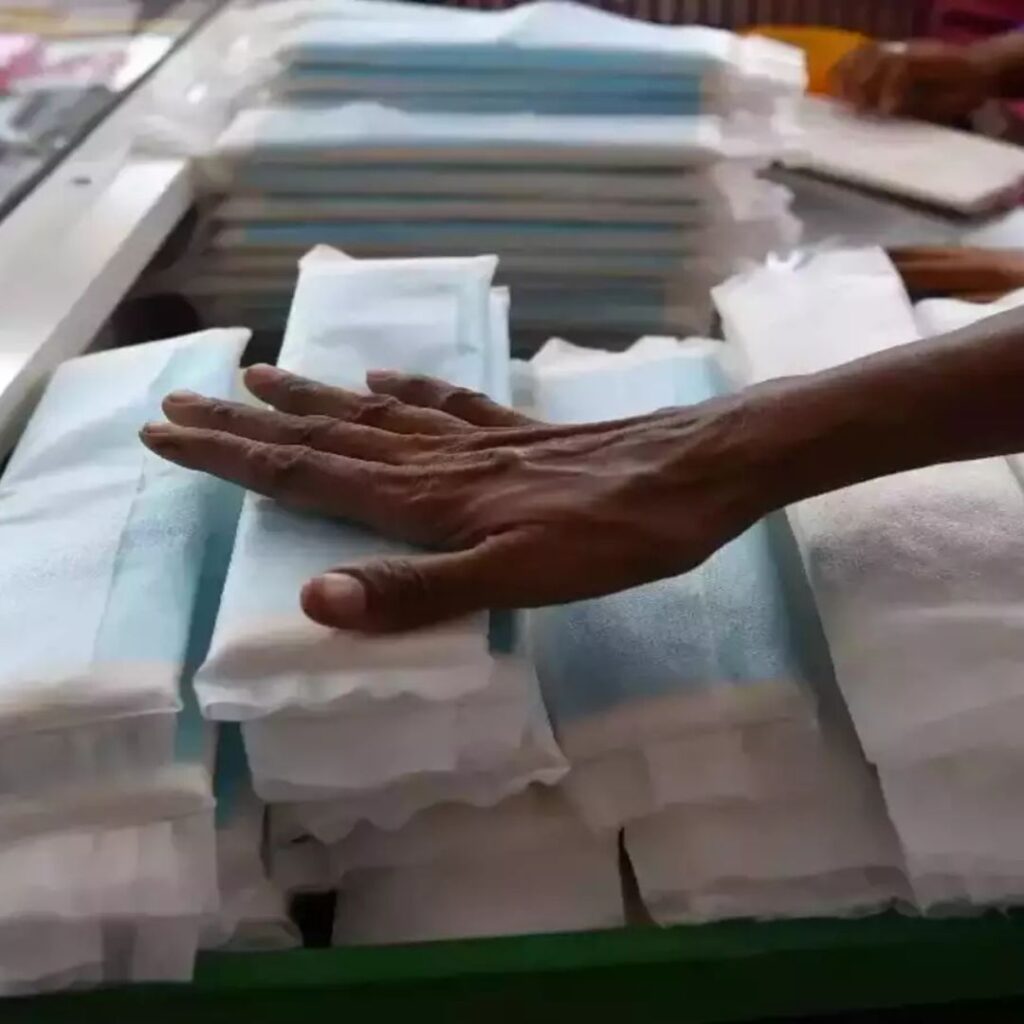
Advocate Rapolu Bhaskar has submitted a detailed representation urging the concerned authorities to introduce measures for the distribution of sanitary napkins in all government and private schools. This initiative, he stressed, is essential to addressing the widespread lack of menstrual hygiene resources and education, which continues to impede the health, education, and dignity of adolescent girls in India. Bhaskar emphasized that menstrual hygiene is a fundamental health right and a cornerstone for achieving gender equality in education.
The representation highlights the significant challenges faced by adolescent girls, particularly in rural areas and low-income families, who lack access to affordable and safe menstrual hygiene products. Many girls are compelled to use unhygienic alternatives, such as old cloth or other makeshift solutions, due to financial constraints or unavailability of sanitary napkins. Such practices, Bhaskar noted, increase the risk of infections, reproductive health issues, and long-term health complications.
Moreover, the stigma and silence surrounding menstruation exacerbate the problem. Bhaskar pointed out that in many cases, the absence of adequate menstrual hygiene resources in schools leads to absenteeism among girls during their menstrual cycles. This absenteeism can result in a significant loss of instructional time, lower academic performance, and, in some cases, girls dropping out of school altogether. He stressed that menstrual hygiene management is not just a health concern but also a critical factor in promoting gender parity in education.
Bhaskar proposed several actionable measures to ensure the availability of sanitary napkins and menstrual hygiene education in schools:
Free Distribution of Sanitary Napkins: Government schools should provide free sanitary napkins to all girl students, and private schools should be encouraged to offer them at subsidized rates. This measure would ensure equitable access to menstrual hygiene products, particularly for economically disadvantaged students.
Sanitary Napkin Vending Machines: Bhaskar suggested the installation of vending machines in school premises, enabling easy and discreet access to sanitary napkins. These machines should be monitored regularly to ensure they are stocked and operational.
Awareness and Sensitization Programs: To tackle the social stigma surrounding menstruation, Bhaskar recommended regular menstrual hygiene awareness programs for both boys and girls. These programs should aim to dispel myths, educate students about the importance of hygiene, and normalize discussions around menstruation, fostering a supportive and inclusive environment.
Proper Disposal Mechanisms: Bhaskar highlighted the need for environmentally sustainable waste disposal solutions, such as incinerators or biodegradable sanitary napkins. Schools should be equipped with such facilities to manage menstrual waste effectively and maintain hygiene on campus.
Periodic Health Check-Ups and Monitoring: Schools should collaborate with healthcare professionals to conduct periodic check-ups and ensure the well-being of students. A robust monitoring framework involving school management committees, health departments, and local governments should oversee the implementation of menstrual hygiene programs.
Bhaskar also drew attention to the broader implications of poor menstrual hygiene management. He emphasized that the lack of access to menstrual products and education not only affects girls’ physical health but also contributes to their emotional and psychological stress. Many young girls experience embarrassment and anxiety due to inadequate facilities, leading to diminished self-esteem and social participation.
The representation argued that this issue must be prioritized under national initiatives such as the Swachh Bharat Abhiyan and Beti Bachao Beti Padhao, as it directly aligns with their objectives of promoting hygiene and empowering girls. Bhaskar reiterated that providing menstrual hygiene resources in schools is an investment in the future of young girls, enabling them to achieve their full potential in academics and beyond.
Advocate Bhaskar concluded his representation by appealing to the authorities to act with urgency and commitment. He emphasized that addressing menstrual hygiene is not merely a healthcare intervention but a crucial step towards building an equitable and inclusive society where every girl can live with dignity, confidence, and opportunity